Checking Account First Horizon National Corporation in San Francisco
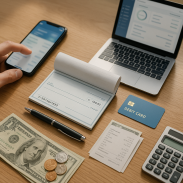
Checking Account Guide
Use this practical guide to understand checking accounts (everyday transaction accounts), compare types and features, and pick an option that fits your daily banking needs.
What Is a Checking Account?
A checking account is a transactional bank account designed for frequent deposits and withdrawals. It’s the primary account for receiving paychecks, paying bills, shopping with a debit card, making ATM withdrawals and moving money quickly between accounts. Checking accounts prioritize immediate access to funds and convenience over higher interest returns, making them the core of everyday financial management.
Key Features & Benefits
- Unlimited or high-frequency transactions: Perform day-to-day payments, transfers and ATM withdrawals without the limits typical for savings accounts.
- Instant access to funds: Debit cards, ATMs and online transfers unlock your money when you need it.
- Direct deposit & bill pay: Automate salary deposits and recurring bills to save time and reduce missed payments.
- Debit cards and contactless payments: Tap-to-pay, card security protections and fraud monitoring for in-store and online purchases.
- Checks and mobile deposit: Traditional check-writing plus remote capture via mobile app for convenient deposits.
- Account alerts and budgeting tools: Real-time notifications and spending categories help you monitor cash flow and prevent overdrafts.
Types of Checking Accounts
Financial institutions typically offer several checking account variants to match different lifestyles, balances and goals:
- Basic checking: Low-cost accounts with minimal requirements and straightforward services for daily transactions.
- Interest-bearing checking: Earn modest interest while maintaining full liquidity—best when you keep a higher average balance.
- Student checking: Reduced-fee or fee-free accounts for students with simplified requirements and age-based perks.
- Premium or rewards checking: Higher-tier accounts that may provide ATM fee reimbursements, cashback, or better rates when you meet qualifying conditions.
- Business checking: Designed for companies and sole proprietors with higher transaction limits, payroll integration, and merchant services.
Costs, Fees & Fine Print
Before opening a checking account, review potential charges that could affect your monthly cost:
- Monthly maintenance fees and account minimums
- ATM fees for out-of-network withdrawals and international transactions
- Overdraft and insufficient funds fees
- Paper statement fees or expedited transfer charges
Many banks waive fees when you meet conditions such as maintaining a minimum daily balance, receiving direct deposit, or linking accounts. Carefully read daily transaction limits, international card use rules and overdraft policies to avoid surprises.
Digital Banking & Security
Modern checking accounts integrate powerful online and mobile banking features that improve convenience while enhancing security:
- Mobile apps with remote deposit, e-statements and P2P transfers (Zelle-like services)
- Virtual cards, instant issuance and tokenized payments for safer online purchases
- Multi-factor authentication, biometric logins and encryption
- Fraud monitoring, real-time alerts and easy card lock/unlock tools
- Clear dispute resolution processes and identity protection services for added safety
Prioritize providers that combine intuitive mobile tools with robust security measures and responsive customer support.
How to Choose the Right Checking Account
Follow a few practical steps to match a checking account to your habits and priorities:
- Define primary use: everyday spending, saving on banking fees, or business operations.
- Compare fees and requirements: select an account whose minimum balances, activity thresholds and fee triggers align with your typical behavior.
- Check digital tools: look for easy mobile deposits, fast internal transfers and P2P payments.
- Assess branch and ATM access: ensure convenient cash access and in-person help if you need it.
- Consider extra perks: overdraft protection, rewards programs, ATM reimbursements and bundled services like loans or investment accounts.
Eligibility & Opening Process
Opening a personal checking account is usually quick and can be completed online or in-branch. Requirements often include:
- Government-issued photo ID (driver’s license, passport)
- Social Security Number (or tax ID)
- Proof of address (utility bill or lease)
- Initial deposit (amount varies by bank)
Business accounts require formation documents, Employer Identification Number (EIN) and authorized signatory IDs. Many banks support instant funding by debit card or electronic transfer during online sign-up.
Practical Tips for Managing Your Checking Account
- Set up direct deposit to reduce fees and get faster access to paychecks.
- Link a savings account for automatic transfers and overdraft protection.
- Enable mobile deposit and opt for e-statements to avoid paper fees.
- Turn on account alerts and review transactions daily to detect unauthorized activity early.
- Choose accounts with ATM fee reimbursement if you travel frequently or use out-of-network machines.
Frequently Asked Questions (FAQ)
- Can I write checks and use a debit card with a checking account?
- Yes. Most checking accounts provide both check-writing privileges and a debit card for purchases and cash withdrawals.
- Do checking accounts earn interest?
- Some checking accounts are interest-bearing, though rates are usually lower than savings accounts. Interest checking can be useful if you maintain higher balances.
- How soon are direct deposits available?
- Direct deposits are typically available on your employer’s scheduled pay date; some banks may provide early access depending on processing times.